In winter, reduced sun exposure means many of us rely heavily on diet to meet our vitamin D needs.
Vitamin D isn’t just a “bone health” nutrient. It plays a role in immune function, muscle performance, inflammation regulation, and overall metabolic health. Research consistently shows that nearly two-thirds of adults may fall short, especially during the colder months.
So what does that mean for your plate?
Why Vitamin D Drops in Winter
Vitamin D is unique because your body produces it when skin is exposed to sunlight. During winter:
- Days are shorter
- People spend more time indoors
- UVB rays are weaker in many regions
Even a well-intentioned diet can come up short without intentional food choices.
The Problem: Few Natural Food Sources
Unlike protein or carbs, vitamin D isn’t widely available in whole foods. Outside of fortified products, fatty fish is one of the most reliable natural sources — and it brings something else with it: omega-3 fats. That pairing matters.
Vitamin D is fat-soluble, meaning it’s better absorbed when consumed alongside healthy fats. Foods that naturally provide both create a more efficient delivery system for your body.
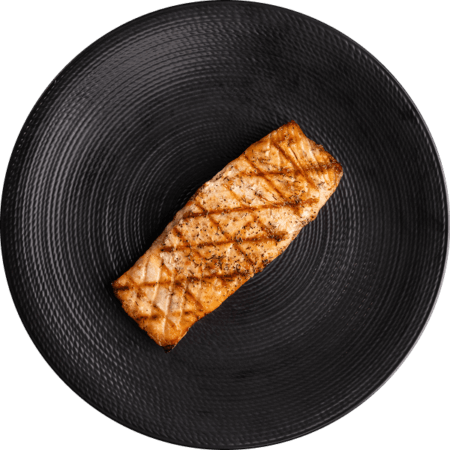
Salmon: A Winter Nutrient Powerhouse
Salmon stands out because it naturally delivers:
- Vitamin D
- Omega-3 fatty acids
- High-quality protein
This combination supports immune resilience, muscle recovery, and heart health; exactly what the body needs this time of year.
Inside MegaFit Meals
MegaFit takes a whole-food approach, creating meals with thoughtfully selected ingredients that provide balanced nutrition through real food.
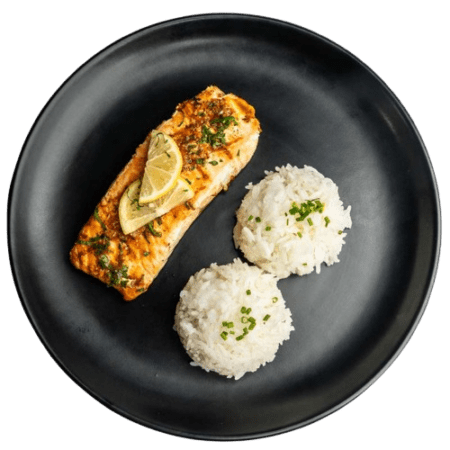
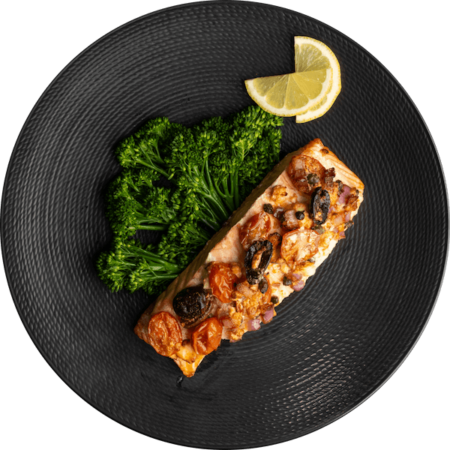
- Mediterranean Salmon
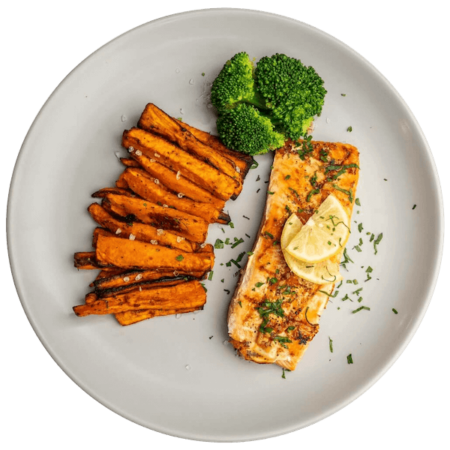
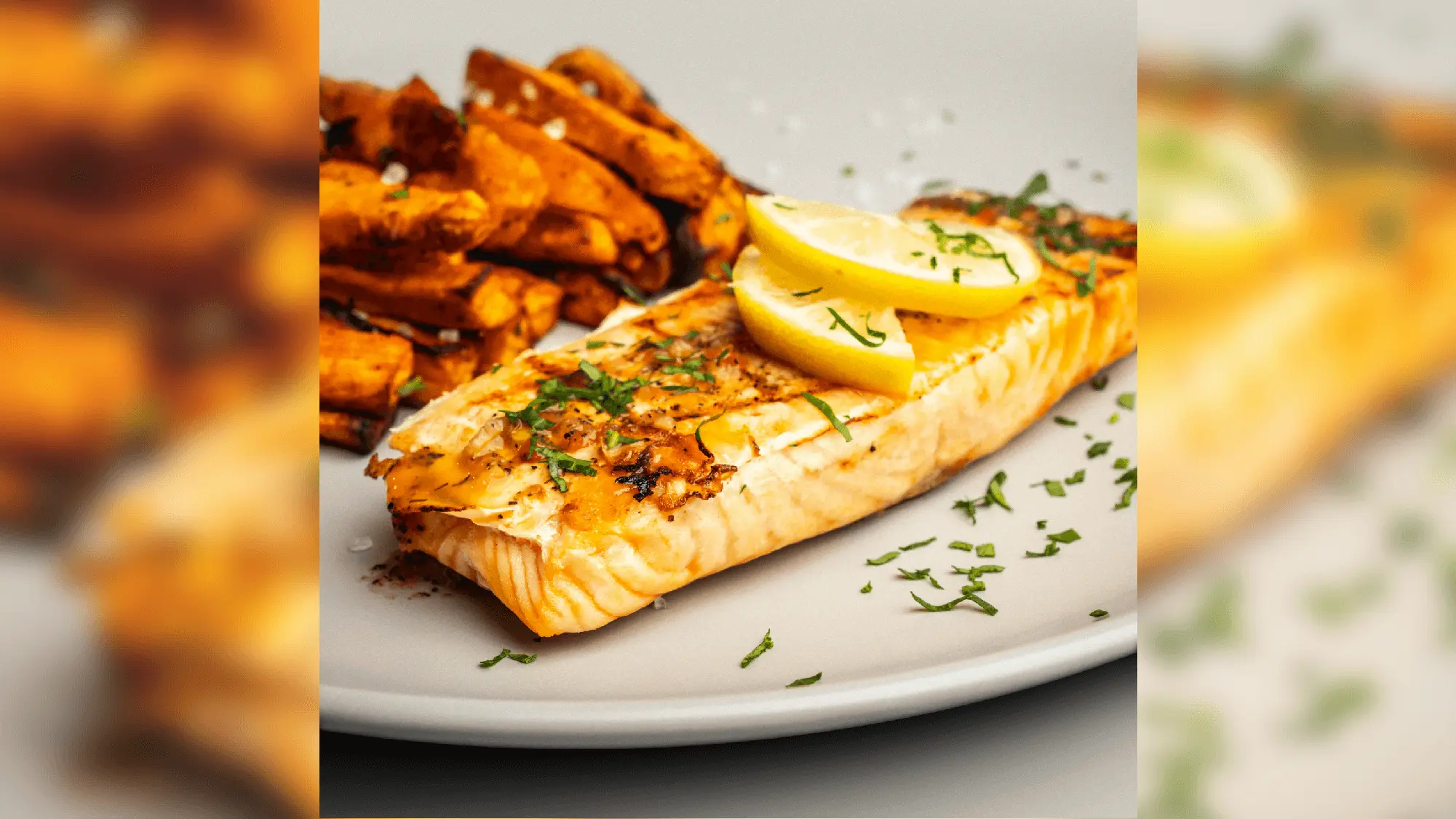
Norwegian salmon paired with olive oil, vegetables, and balanced macros – a whole-food approach to vitamin D and healthy fats. - Salmon & Sweets
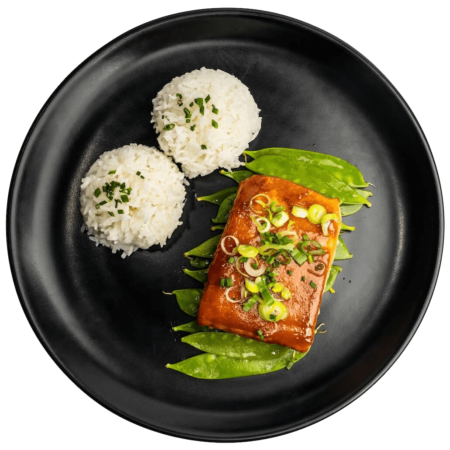
Salmon with sweet potatoes and broccoli, combining vitamin D with micronutrient-rich carbs that support energy and recovery. - Chipotle Honey Salmon Bowl
A high-protein bowl that delivers omega-3 fats alongside carbohydrates and flavor – without sacrificing nutritional intent. - Salmon Quinoa Power
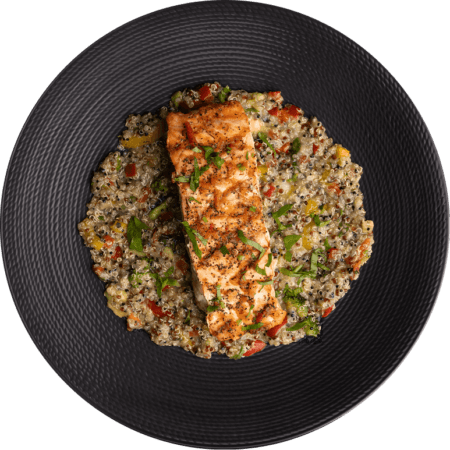
A nutrient-dense option pairing salmon with quinoa, vegetables, and healthy fats for a well-rounded micronutrient profile.
Each of these meals naturally combines vitamin D with omega-3 fats, supporting absorption while fitting into a consistent, real-food routine.