Getting Olympia-level shredded requires a diet most people would never need to follow. Chris Bumstead recently broke down exactly what he ate during Olympia prep and the habits that helped him stay consistent through six Olympia wins.
While his contest-prep diet was extreme, the strategy behind it offers some useful lessons for anyone working toward a physique goal.
Six Meals a Day
During Olympia prep, Chris typically ate around six meals per day plus a protein shake, with the shake eventually being removed as calories got lower.
Eating smaller meals throughout the day allowed him to spread out his protein intake, time his nutrition around training, and maintain an extremely consistent routine.
Meal 1: Start With Protein
His first meal came after morning cardio, usually around 7-8 a.m.
- 375g egg whites
- 1 whole egg
- 267 calories
- 50g protein
- 6g fat
- 3g carbs
The goal was simple: get a large serving of protein in without adding many calories.
Meal 2: Save the Carbs for Training
Meal two was his pre-workout meal; and often his favorite.
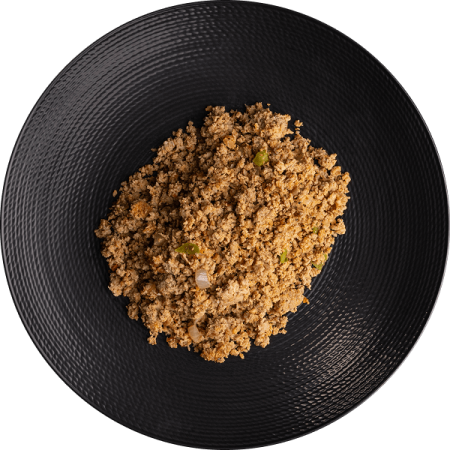
- 90g ground turkey
- 45g oats
- 1 scoop protein
- Pico de gallo
- 362 calories
- 49g protein
- 5g fat
- 31g carbs
As prep progressed, CBUM gradually reduced carbohydrates and fats while keeping protein relatively consistent. At his lowest, he says he was eating around 40 grams of carbs per day, with most of them placed around his workouts.
Rather than constantly changing foods, he kept his routine predictable and gradually reduced his intake as needed.
Pro Tip #1: Prioritize Sleep
Cbum’s first tip for getting lean has nothing to do with food: get enough sleep.
When you’re tired, sticking to a diet gets harder. Your decision-making and willpower can suffer while cravings become more difficult to manage.
During prep, Chris prioritized sleep and even added naps when needed. His takeaway? If you’re struggling to stay disciplined with your diet, improving your sleep is a good place to start.
Meal 3: Post-Workout Fuel
After training, carbohydrates came back into the picture.
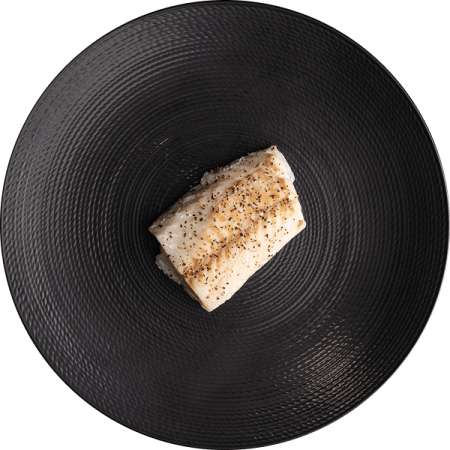
- White fish
- 100g white rice
- Asparagus
- ~300 calories
- 47g protein
- 29g carbs
White fish provided plenty of lean protein without adding many calories, while vegetables helped add more volume to his meals.
Pro Tip #2: Set Yourself Up for Success
One of CBUM’s biggest lessons from prep was to stop relying entirely on discipline.
He knew exactly what he was eating, when he was eating, and what needed to be prepared each day. That structure eliminated unnecessary decisions.
Having meals prepared ahead of time can do the same thing. When your food is already portioned and ready to go, staying consistent becomes much easier.
Build routines that make the right decision the easy decision.
Meal 4: Protein Takes Over
After his workout meals, carbs could become extremely limited.
- 220g cod or white fish
- Asparagus
At this point, the goal was to keep protein high while keeping calories as low as possible.
But Chris makes an important point: he wouldn’t recommend that everyone copy this diet.
Contest prep is extreme. If you’re simply trying to get leaner, an overly restrictive diet can actually make consistency harder. A plan with slightly more calories that you can stick to is better than an extreme plan you constantly break.
What About Cheat Meals?
According to Chris, cheat meals can either help or hurt depending on the person.
For some, having a planned meal to look forward to makes staying consistent easier. For others, it can increase cravings and make getting back on track more difficult.
The key is knowing how they affect your ability to stay consistent.
Meal 5: Finish With Protein
One of his final meals was another simple high-protein combination:
- 150g ground turkey
- 1 whole egg
- 4 egg whites
- ~300 calories
- 50g protein
- ~7g fat
Today, Chris’s diet is much more flexible, but he still sticks to many of the same staples: ground turkey and rice, ground beef and avocado, eggs and bread, and brown rice pasta.
The difference? He’s no longer trying to reach Olympia-level conditioning.
Pro Tip #3: Walk After Your Meals
Cbum’s final tip is one almost anyone can use: take a 10-minute walk after your meals.
Walking helps increase daily movement, supports healthy blood-sugar management, and provides an easy way to accumulate more steps without adding another intense workout.
Instead of eating and immediately sitting down, use those next 10 minutes to get outside and move.
The Takeaway
The biggest lesson from CBUM’s Olympia diet isn’t that you need to live on egg whites and cod.
It’s the consistency behind the plan.
Keep protein a priority. Fuel your training. Prepare your meals. Prioritize sleep. Move throughout the day. And most importantly, build a nutrition plan you can actually follow.
You don’t need to eat exactly like a six-time Olympia champion to learn from one.