Walk through any grocery store right now, and you’ll see the same two words everywhere:
“HIGH PROTEIN.”
Protein cereal. Protein chips. Protein cookies. Protein coffee. Protein pasta. Even foods that have always contained protein are suddenly being marketed like they just discovered it.
So if protein is everywhere, why are so many people still struggling to get enough of it? Because seeing “high protein” on a package and actually building a high-protein diet are two very different things.
“High Protein” Doesn’t Always Mean A Lot of Protein
A big protein callout on the front of a package can make something feel like an easy win. Flip it over, though, and you might find 7, 8, or 10 grams of protein per serving. Is that protein? Absolutely. Is it doing much of the heavy lifting toward a daily goal of 100+ grams? Not really.
This is where protein marketing can get misleading. Instead of asking whether something contains protein, look at how much protein you’re actually getting from the serving you’re going to eat. Ten grams here and eight grams there can help, but they shouldn’t be the foundation of your protein intake.
Serving Size Changes Everything
Another thing to watch: serving size.
A product might advertise an impressive amount of protein, but that number only applies if you eat the full serving listed on the nutrition label. The opposite can happen too. You might think you’re eating 20 grams of protein because you saw that number on the package, only to realize the package contains two servings and you’re eating half. This is why the nutrition label matters more than the marketing on the front.
Before tossing something into your cart because it says “protein,” check:
- How many grams of protein are actually in one serving?
- How large is that serving?
- How many calories are you getting with it?
- Is protein one of the main nutritional benefits, or just part of the marketing?
Not All Protein Sources Are the Same
The amount of protein matters, but so does the source.
Protein is made up of amino acids, and different foods provide different amino acid profiles. Complete protein sources contain all nine essential amino acids your body can’t produce on its own.
Animal-based foods like chicken, beef, eggs, dairy, and fish are naturally complete protein sources. There are also plenty of plant-based options, but depending on the source, getting a variety of foods throughout the day can be important.
That doesn’t mean your protein cereal or snack is “bad.” It just means it probably shouldn’t replace the more substantial protein sources in your meals. Think of those foods as a bonus, not the foundation.
The Protein Math Adds Up Fast… or Doesn’t
Let’s say you’re aiming for 120 grams of protein per day.
If breakfast has 15 grams, lunch has 20, and dinner has 25, you’ve only reached 60 grams. Suddenly you’re at the end of the day trying to find another 60 grams of protein before bed. Sound familiar?
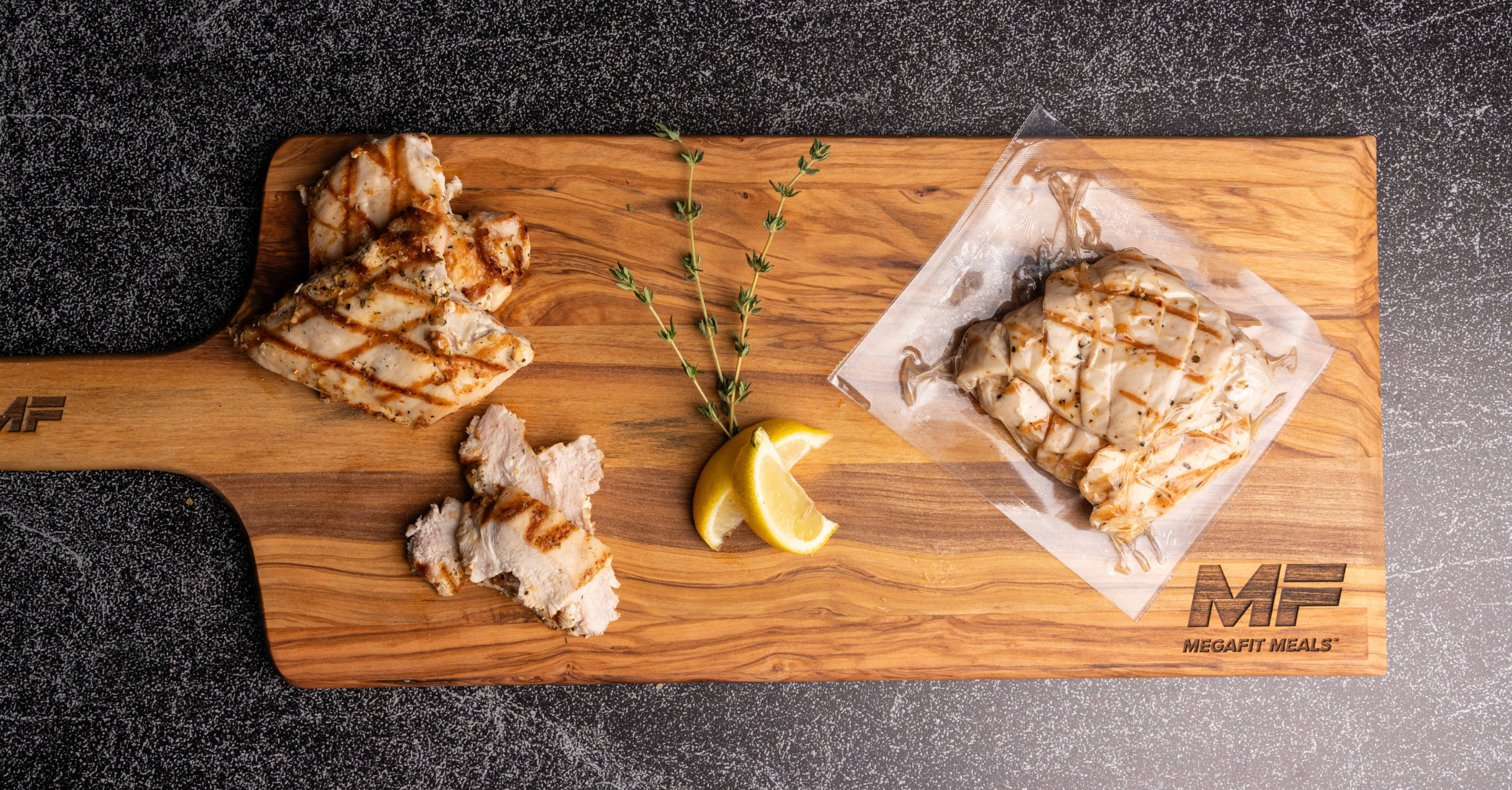
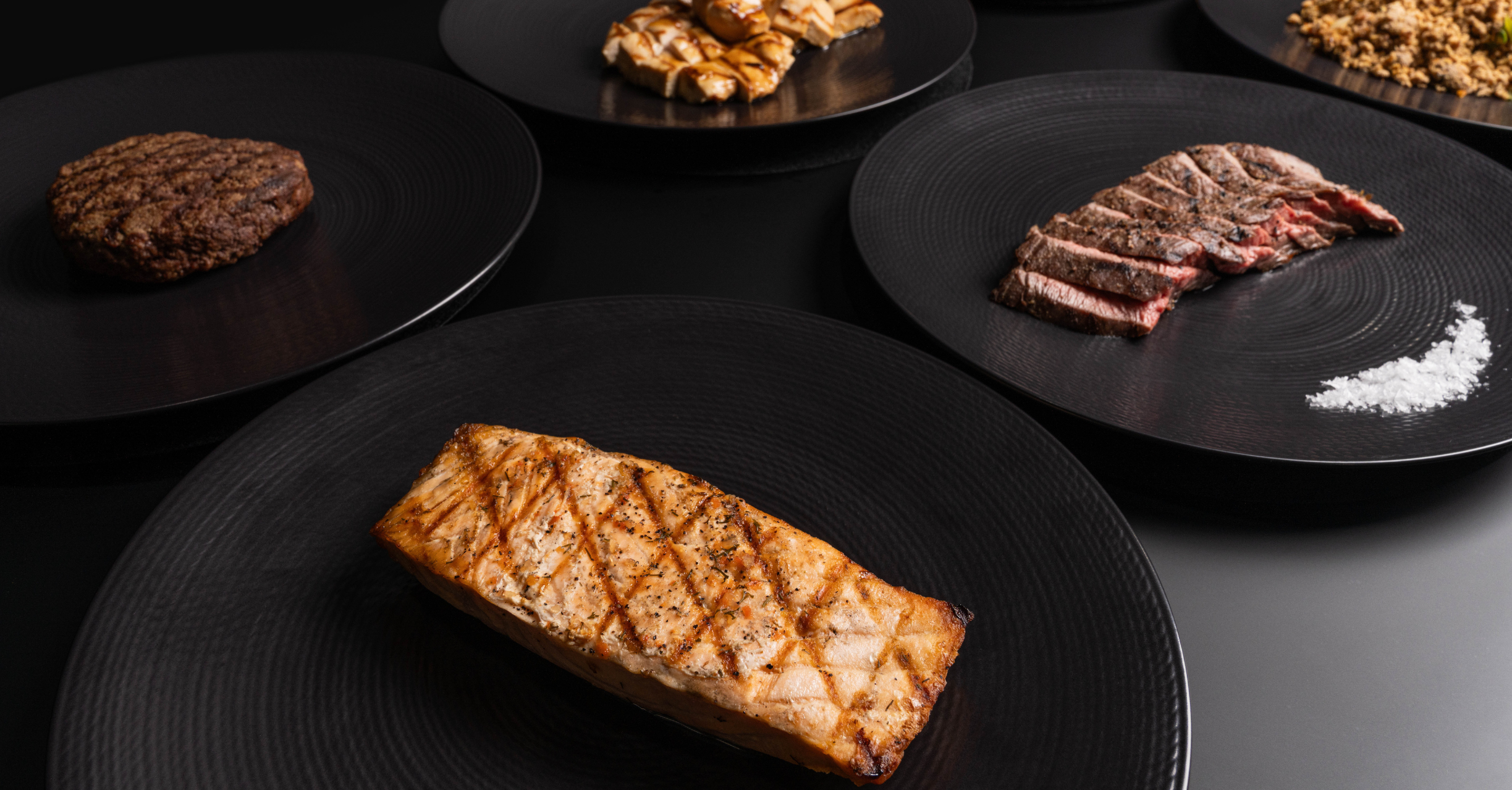
This is why hitting your protein goal becomes much easier when you stop trying to catch up and start building protein into every meal. Instead of relying on foods that happen to have a little extra protein added to them, start with a substantial protein source and build the meal around it.
Know What You’re Actually Eating
At the end of the day, eating more protein doesn’t have to mean turning every food you eat into a “protein” version. Start with quality protein sources. Pay attention to serving sizes. Look at the actual macros. Spread your intake throughout the day. And maybe don’t let a bag of “protein chips” convince you it did the same job as dinner.
High-protein marketing is everywhere. Actually eating enough protein? That still comes down to what’s on your plate.