When you think about building muscle, your mind probably goes straight to protein, training, recovery, and getting enough calories.
Your gut? Probably not at the top of the list.
But there’s a growing body of research looking at the relationship between the gut microbiome, nutrition, exercise, and athletic performance. And while taking care of your gut isn’t a shortcut to getting stronger, it may be another piece of the bigger performance puzzle.
First: What Is the Gut Microbiome?
Your digestive tract is home to trillions of microorganisms collectively known as the gut microbiome.
These microorganisms are involved in processes ranging from digestion and nutrient metabolism to immune function. Researchers have also found differences between the gut microbiomes of physically active people and sedentary populations, sparking more interest in what the microbiome could mean for athletes and anyone serious about training.
The relationship appears to go both ways: what you eat and how you train can influence your gut environment, while the gut microbiome may influence how the body handles certain nutrients and physiological demands.
In other words, your training doesn’t exist in a vacuum, and neither does your nutrition.
So, What Does Your Gut Have to Do With Muscle?
Let’s be clear: a healthy gut isn’t going to build your biceps for you.
Muscle growth still comes down to the fundamentals, resistance training, sufficient protein and calories, and recovery.
But researchers are exploring several ways the gut microbiome could indirectly support the environment needed for performance and recovery.
- Nutrient Metabolism
You can eat the perfect meal plan on paper, but your body still has to digest and utilize what you’re giving it.
The gut microbiome participates in the metabolism of nutrients and produces compounds that can interact with systems throughout the body. Research in athletes suggests the microbiome may play a role in protein metabolism and amino acid availability, although exactly how much this influences muscle growth in humans is still being studied.
Think of gut health as part of the system that helps your body make use of the fuel you’re consistently putting into it.
- Your Gut Produces Some Pretty Useful Compounds
When certain gut bacteria ferment dietary fiber, they produce compounds called short-chain fatty acids, or SCFAs.
SCFAs have attracted attention because of their roles in gut-barrier function, metabolism, and immune regulation. Researchers studying athletes are particularly interested in whether these microbial metabolites could have downstream effects on energy utilization and muscle function.
Translation: feeding your gut isn’t just about avoiding an upset stomach.
- Training and Your Gut Influence Each Other
Exercise itself may affect the composition and function of the gut microbiome.
At the same time, athletes often put their digestive systems through unique stressors: high calorie intake, large amounts of protein, supplements, intense training, travel, competition schedules, and sometimes relatively low dietary variety.
That’s why an athlete’s diet shouldn’t focus exclusively on hitting a protein number.
Protein matters. Carbs matter. Fats matter. And food quality, fiber, and variety still matter too.
Where Fermented Foods Come In
This is where things get interesting.
Fermented foods such as kimchi, sauerkraut, kefir, yogurt, miso, and certain pickled vegetables have become increasingly popular in conversations around gut health.
During fermentation, microorganisms transform components of the original food and can produce a range of compounds that may interact with the gut environment. Depending on the food and how it’s processed, fermented foods can also contain live microorganisms.
That doesn’t mean every fermented food is automatically a probiotic or that eating kimchi will magically transform your microbiome overnight. Research into the specific health effects of individual fermented foods is still developing.
But incorporating fermented foods can be one way to add more variety to an overall balanced diet.
Meet Kimchi
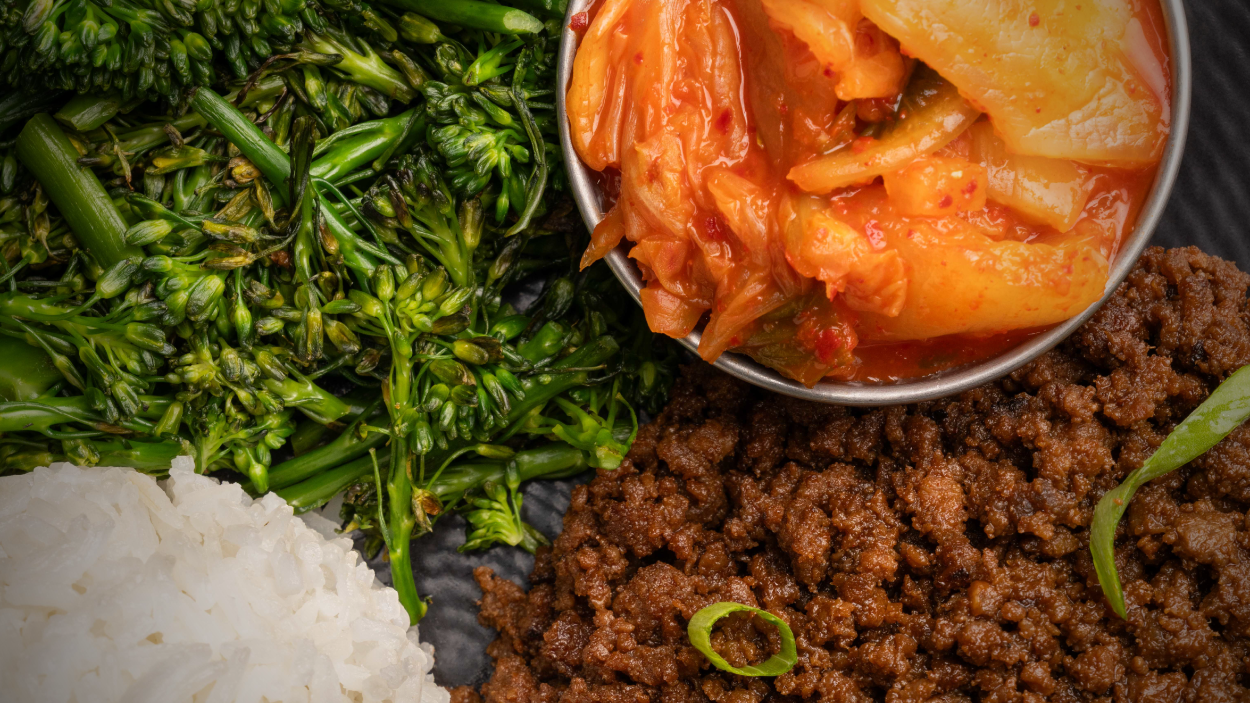
If you’ve never had it, kimchi is a traditional Korean dish made from fermented vegetables – commonly cabbage or radish – along with seasonings like garlic, ginger, and chili.
Its fermentation is largely driven by lactic acid bacteria, which is one reason kimchi has become such a popular food in gut-health research.
And beyond the science? It adds a ton of flavor.
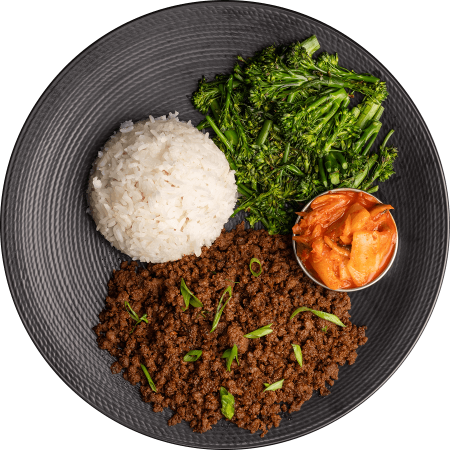
That’s exactly why you’ll find kimchi paired with our Korean Beef Bowl. The fermented kimchi complements the savory Korean-inspired beef while bringing another type of whole food to your plate.
No complicated gut-health routine. No cabinet full of “trendy” supplements. Just a seriously good meal with ingredients that serve a purpose.
Build the Bigger Picture
The biggest takeaway isn’t that you need to start eating fermented food with every meal. It’s that performance nutrition is about more than one macro.
Keep prioritizing the fundamentals:
- Eat enough high-quality protein to support your goals.
- Fuel your training with carbohydrates.
- Include fiber-rich plant foods and dietary variety.
- Stay hydrated.
- Get enough sleep and recovery.
- Incorporate fermented foods if you enjoy and tolerate them.
- And most importantly, stay consistent.
Your gut isn’t going to replace progressive overload, protein, or recovery.
But taking care of the system responsible for processing all that fuel? That’s worth paying attention to.
Because building your best physique isn’t just about what you lift. It’s also about how you fuel what you’re building.