Fiber is one of the most overlooked nutrients in modern diets, yet it plays a major role in digestion, appetite control, and overall health. While many people focus on protein and calories, getting enough fiber can make a huge difference in how you feel day to day.
If you’re trying to improve digestion, stay full longer, or build more balanced meals, adding high-fiber foods is a great place to start.
Why Fiber Is Important
Dietary fiber helps support:
- Healthy digestion
- Gut health
- Blood sugar balance
- Heart health
- Satiety
Fiber also slows digestion slightly, which helps prevent energy crashes and keeps you from feeling hungry shortly after eating.
Most adults should aim for about 25-38 grams of fiber per day (25g for women, 38 for men), but many people fall short of that goal.
Best High-Fiber Foods to Add to Your Diet
- Vegetables
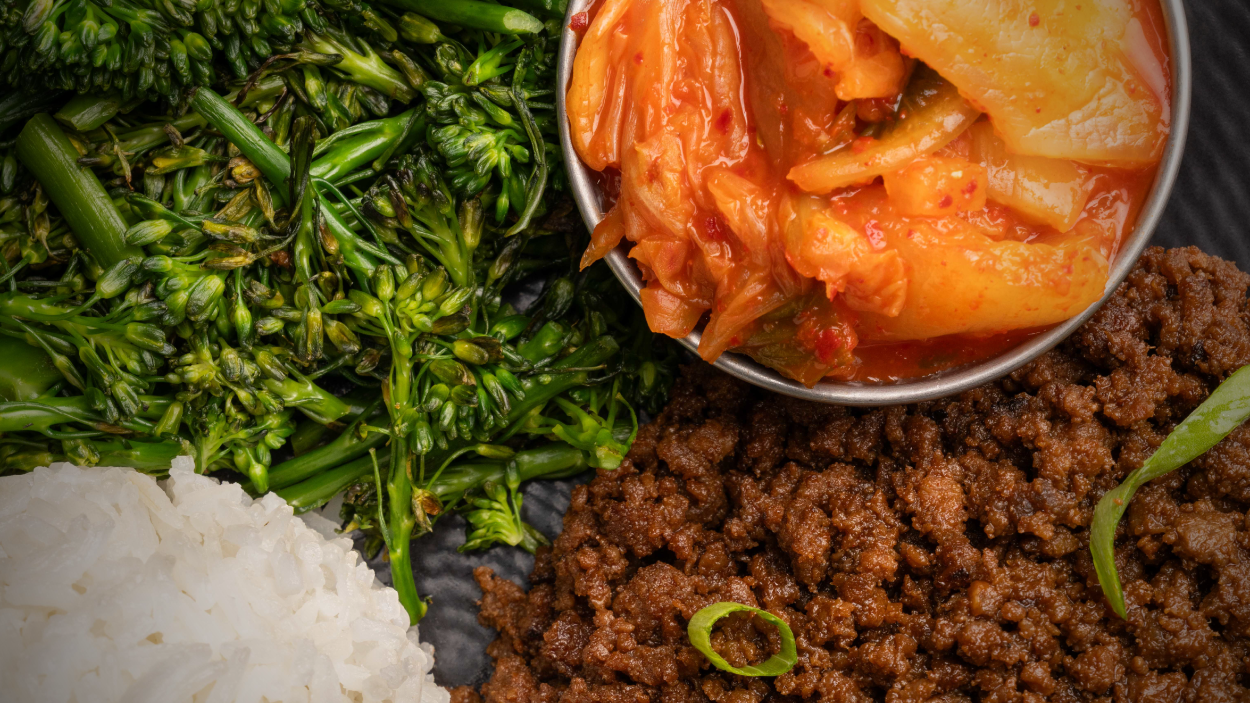
Vegetables are one of the easiest ways to increase fiber intake while also adding important vitamins and minerals. High-fiber options include:
- Broccoli
- Brussels sprouts
- Green beans
- Sweet potatoes
- Spinach
- Bell peppers
Adding a serving of vegetables to your lunch and dinner can significantly increase your daily fiber intake.
- Whole Grains
Whole grains contain more fiber than refined grains because they retain the outer bran layer.
Some great options include:
- Brown rice
- Quinoa
- Oats
- Whole grain pasta
- Whole wheat bread
Swapping white rice for brown rice or adding quinoa to meals is an easy upgrade.
- Fruits
Fruit is a simple way to add fiber while also satisfying a sweet craving. Some of the best high-fiber fruits include:
- Berries (raspberries and blackberries are especially high)
- Apples
- Pears
- Bananas
- Avocados
Even adding one serving of fruit per day can help improve fiber intake.
- Legumes
Beans and lentils are some of the most fiber-dense foods available. Examples include:
- Black beans
- Chickpeas
- Lentils
- Kidney beans
They also provide plant-based protein, making them a great addition to balanced meals.
- Nuts and Seeds
Nuts and seeds provide fiber along with healthy fats. Good options include:
- Chia seeds
- Flax seeds
- Almonds
- Pistachios
These are easy to add to yogurt, oatmeal, or smoothies.
How to Increase Fiber Without Digestive Discomfort
If you’re increasing fiber intake, it’s best to do it gradually. Adding too much fiber too quickly can cause bloating or discomfort. Some tips:
- Increase fiber slowly over time
- Drink plenty of water
- Spread fiber intake throughout the day
- Combine fiber with protein and healthy fats
Balanced meals that include protein, fiber, and healthy carbs tend to keep you satisfied the longest.
Building Balanced Meals With Fiber and Protein
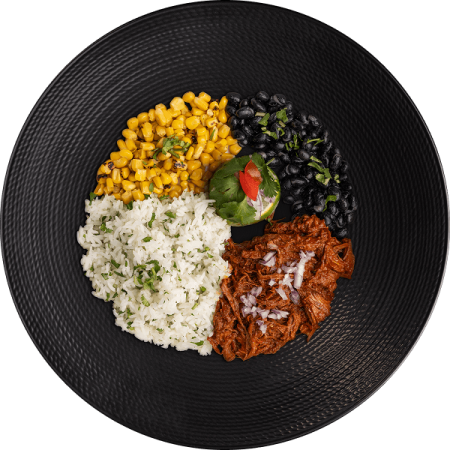
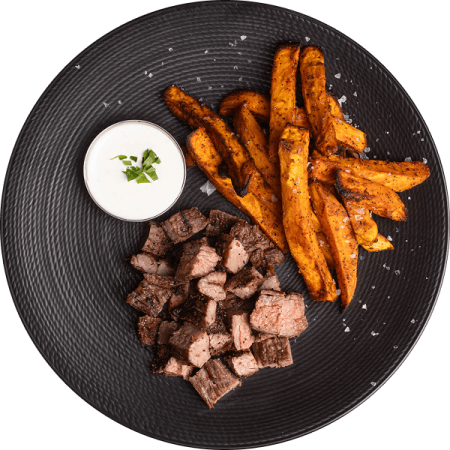
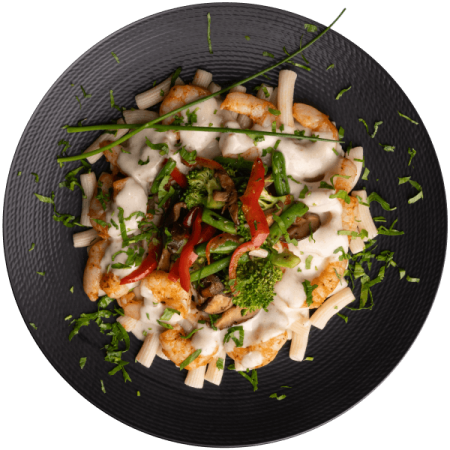
One of the best ways to stay full and energized is combining fiber with high-quality protein. While protein helps support muscle and recovery, fiber helps control hunger and supports digestion. For example, a balanced meal might include:
- Lean protein
- A fiber-rich carbohydrate like brown rice or vegetables
- Healthy fats
This combination helps support performance, recovery, and overall wellness.
Making Fiber Part of a Convenient Routine
Getting enough fiber doesn’t have to mean complicated meal prep or spending hours in the kitchen. Planning balanced meals that include vegetables and quality carbohydrates can make hitting your fiber goals much easier.
At MegaFit Meals, we focus on creating balanced meals that combine high-quality protein with nutrient-dense ingredients to help support your goals. While protein is a major focus for performance and recovery, incorporating vegetables and balanced carbs also helps support a well-rounded nutrition routine.
Whether your goal is staying on track, saving time, or building better eating habits, having convenient, balanced meals available can make consistency much easier.
Fiber plays an important role in digestion, fullness, and overall health, yet many people don’t get enough. By adding more vegetables, fruits, whole grains, and balanced meals into your routine, you can support better nutrition without overcomplicating your diet.
Small changes done consistently often make the biggest difference.