Olive oil gets a lot of hype — but what actually makes it good? Where does the best olive oil come from? What does “extra virgin” even mean? And is it really as healthy as everyone says?
Let’s break it down in a way that’s simple, interesting, and actually useful.
Where Does the Best Olive Oil Come From?
Some of the world’s highest-quality olive oils come from Mediterranean regions like Italy, Spain, Greece, and parts of California. What matters most isn’t just where it’s from; but how the olives are grown, harvested, and pressed.
Climate, soil, olive variety, and harvest timing all play a role. Cooler coastal climates and early harvests often produce oils with bolder flavor and higher antioxidant content.
Translation: great olive oil starts in the ground, not the bottle.
So… What Does “Extra Virgin” Mean Anyway?
Extra virgin olive oil is the highest grade of olive oil available.
To earn that label, it must:
- Be mechanically pressed (no chemicals)
- Be extracted at low temperatures
- Meet strict quality and freshness standards
- Have zero flavor defects
Lower grades of olive oil go through refining, which strips away flavor and beneficial compounds. Extra virgin keeps the oil closest to its natural state.
What Does Good Olive Oil Taste Like?
High-quality olive oil doesn’t taste bland or greasy.
It should taste:
- Fresh
- Slightly grassy or herbal
- Sometimes peppery or lightly bitter
Those bold notes aren’t flaws, they’re signs the oil still contains beneficial plant compounds. If olive oil tastes completely neutral, it’s often old or overly processed.
How Do You Know If Olive Oil Is High Quality?
A few quick indicators:
- A harvest date (not just an expiration date)
- Stored in dark glass or metal (light degrades oil)
- Fresh aroma, not waxy or stale
- Flavor with character, not flat
Is Olive Oil Actually as Healthy as People Say It Is?
Yes, when used consistently and in balance.
Olive oil is rich in monounsaturated fats, which are associated with improved cholesterol balance and cardiovascular health. Despite being a fat, it’s linked to heart health, not heart disease, especially when it replaces highly refined oils.
Olive Oil Helps You Absorb Nutrients Better
Olive oil doesn’t just add flavor, it boosts nutrition.
It helps your body absorb fat-soluble vitamins like:
- Vitamin A
- Vitamin D
- Vitamin E
- Vitamin K
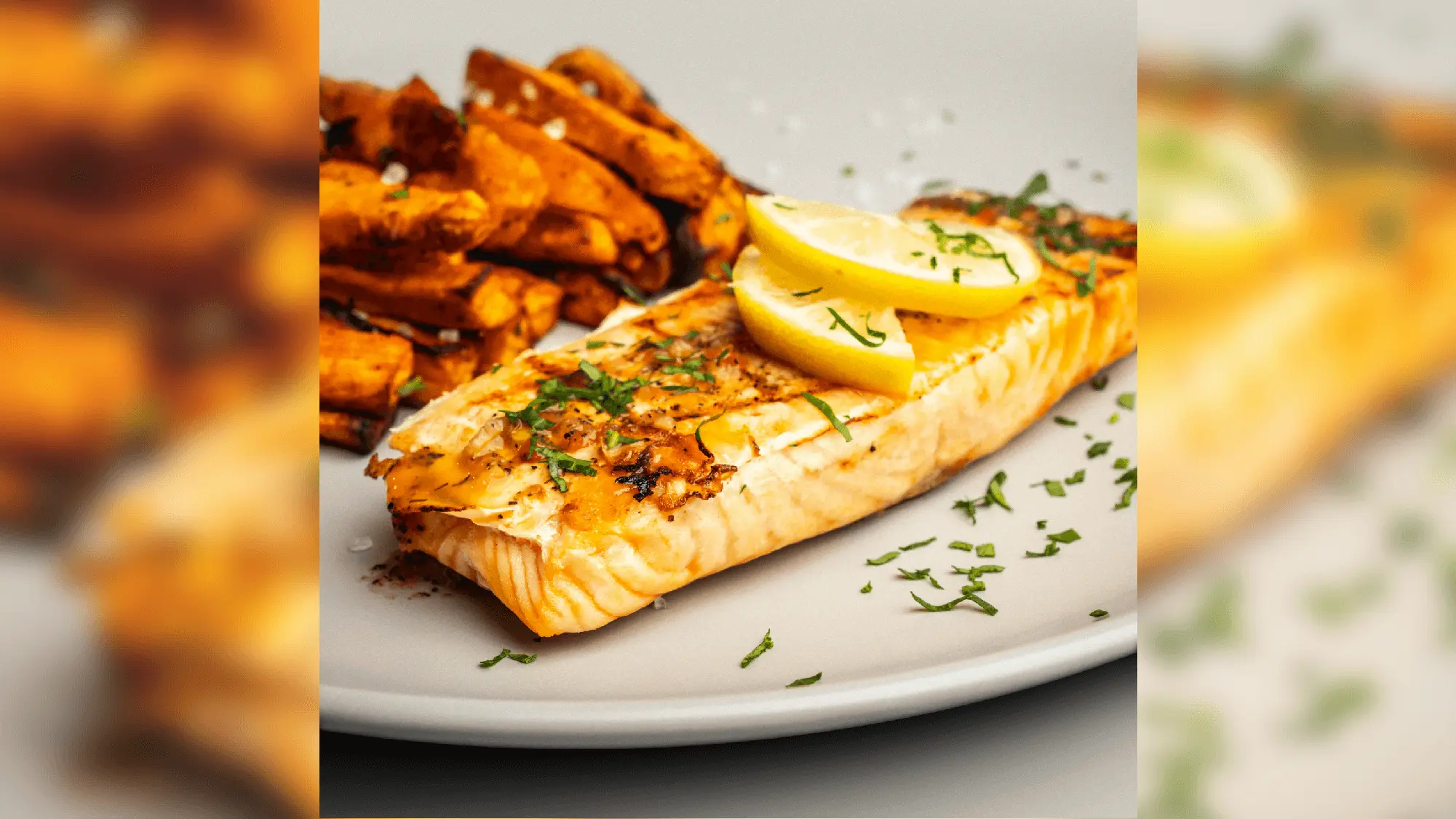
That’s why pairing olive oil with vegetables actually increases the nutritional value of your meal.
Variety and Maturation Matter More Than You Think
Two of the biggest factors influencing olive oil flavor and quality are:
- Olive variety
- When the olives are harvested
Early-harvest olives create bolder, more complex oils. Later harvests tend to be milder and smoother. Neither is “wrong”, they’re just different experiences.
Olive Oil Has Been Used for Over 6,000 Years
Long before modern nutrition science, ancient civilizations used olive oil for:
- Food
- Medicine
- Skincare
- Religious rituals
- Fuel for lamps
It’s one of the oldest functional foods still widely consumed today.
Olive Oil Is Technically Fruit Juice
Surprising, but true.
Olive oil isn’t extracted from seeds or grains, it’s pressed from the fruit of the olive tree. That’s why high-quality olive oil tastes fresh and plant-like, similar to produce rather than processed fats.
Why Olive Oil Belongs in Balanced Meals
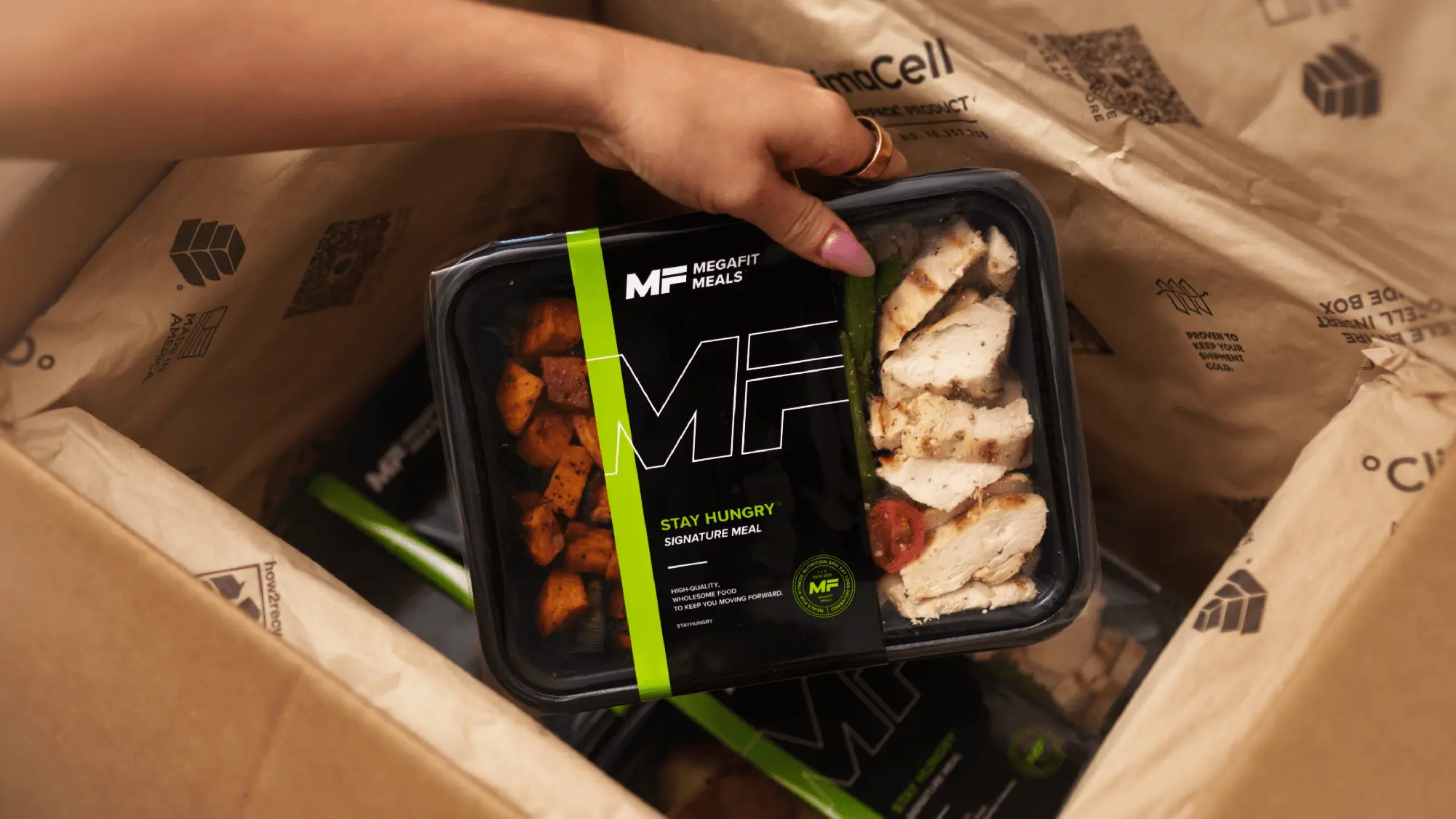
Olive oil isn’t about trends or extremes. It’s about consistency, quality, and balance. When paired with lean protein, vegetables, and whole foods, it supports flavor, nutrient absorption, and long-term health, without overcomplicating nutrition.
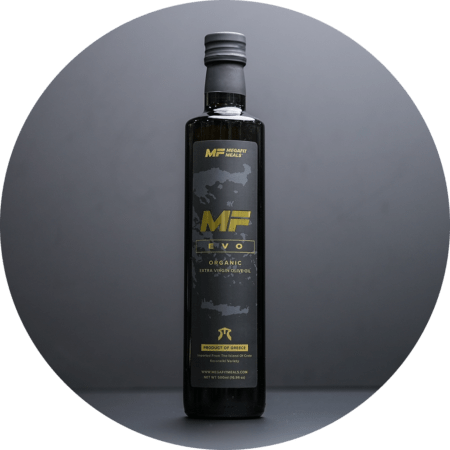
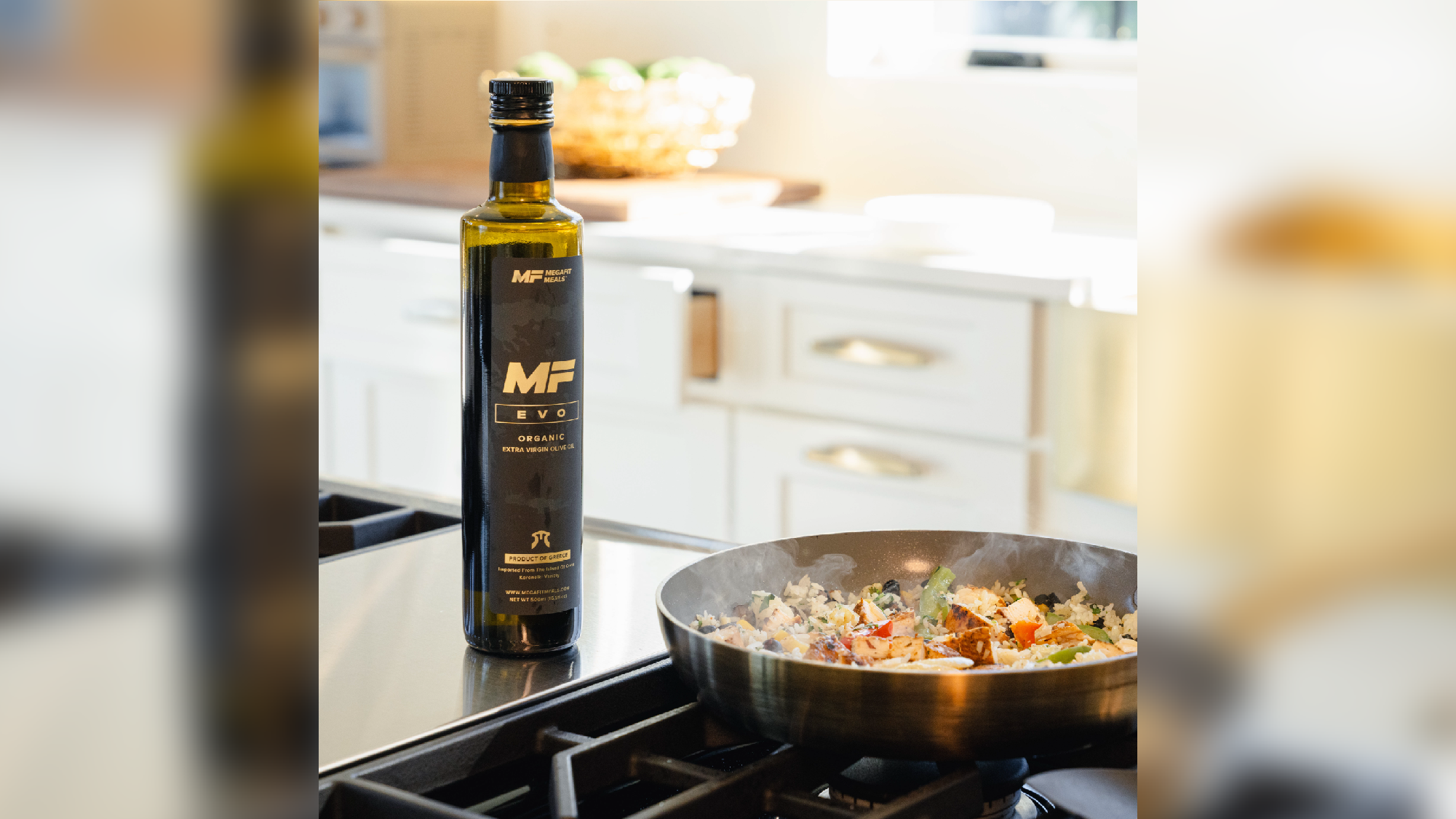
Simple ingredients. Intentional choices. MegaFit EVO reflects that philosophy — minimal processing, intentional sourcing, and purpose on the plate.